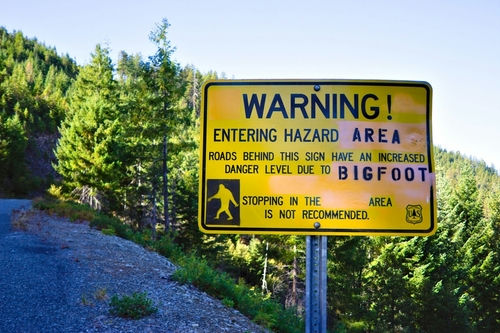
A self-proclaimed Bigfoot expert’s claim of encountering a nine-foot creature in the Canadian wilderness highlights how sensational cryptozoology narratives thrive online despite zero scientific evidence, raising questions about what drives Americans to embrace unverified folklore over facts.
The Expert’s Controversial Claims
Todd Standing, a Canadian filmmaker and self-described Bigfoot researcher, alleges a life-changing encounter with a 9-foot-tall bipedal creature in British Columbia’s Rocky Mountains in 2005. Standing describes the entity as having a human-like face and territorial behavior, claiming the experience compelled him to sue the Canadian government for refusing to acknowledge evidence of Bigfoot’s existence. His account has circulated widely through YouTube compilations and cryptozoology forums, positioning him as a central figure in modern Sasquatch lore despite fierce criticism from scientific skeptics.
Evidence Falls Apart Under Scrutiny
Standing’s credibility collapsed when visual effects experts and skeptics analyzed his purported Bigfoot footage. Benjamin Radford of the Skeptical Inquirer identified Standing’s video as depicting costumes rather than living creatures, with frame-by-frame breakdowns revealing fabrication markers. A 2012 National Post exposé documented his pattern of hoaxing, while the 2014 Oxford University DNA study of alleged Bigfoot samples found only human and common wildlife genetic material. The Bigfoot Field Researchers Organization, the largest sighting database with over 5,500 reports, has distanced itself from Standing’s work, classifying most sensational claims as unverified Class B evidence lacking physical corroboration.
The Myth of Soaring Sightings
Claims that Bigfoot encounters are increasing contradict hard data from credible tracking organizations. BFRO reports show annual sightings plateaued around 100-300 since 2010, with no statistical surge despite viral YouTube videos accumulating millions of views between 2023 and 2025. Google Trends data confirms public interest in Bigfoot searches remained flat from 2020 through 2026. The disconnect between online hype and documented reports exposes how algorithm-driven content platforms profit from recycling decades-old incidents like the 1924 Ape Canyon attack and 1976 Whitehall Trail sighting, repackaging them as fresh evidence to hook viewers seeking sensationalism over substance.
Follow the Money Behind the Legend
The Bigfoot phenomenon sustains a niche economy worth over $10 million annually through festivals, merchandise, guided expeditions, and media productions. Television shows like Animal Planet’s Finding Bigfoot generated substantial revenue for networks before cancellation in 2018, while rural communities near alleged hotspots capitalize on tourism influxes. This financial incentive creates perverse motivation for perpetuating unverified claims. Meanwhile, Indigenous groups like the Salish Nations, whose spiritual traditions include Sasquatch figures, face cultural appropriation as their folklore gets exploited for commercial gain. The ecosystem rewards content creators who prioritize clickbait over scientific rigor, undermining legitimate wildlife research and fostering public distrust in credible institutions.
The persistence of Bigfoot mythology despite total absence of physical evidence reflects broader cultural trends where viral narratives eclipse verifiable truth. Standing’s failed lawsuit and debunked footage exemplify how fringe figures leverage government skepticism to fuel conspiracy theories, mirroring tactics seen in other pseudoscientific movements. For Americans frustrated with institutional failures, cryptozoology offers escapism but also normalizes rejection of empirical standards. The real story is not about nine-foot beasts in the wilderness but about a society increasingly willing to embrace sensational fiction when facts prove inconvenient or boring.
Is that Bigfoot hiding behind that tree?🧐🤔😬 pic.twitter.com/6cjYSQywYF
— UFO mania (@maniaUFO) April 28, 2026