Trump’s latest remarks on the Strait of Hormuz put one of the world’s most important oil lanes back in the crosshairs.
Quick Take
- Trump said the United States will watch over the Strait of Hormuz and that no country will control it.
- He tied the waterway fight to Iran’s threats and to wider pressure on global oil shipping.
- Trump also said the strait is international waters, which limits any claim of total ownership.
- The clash keeps energy markets and maritime security at the center of the Iran standoff.
Trump Draws a Hard Line on the Strait
President Donald Trump said the United States will not let any country control the Strait of Hormuz, even as he said America will watch over it. During a question-and-answer session at the White House, he called it international waters and warned that no one would be allowed to dominate the key route. His comments came as tensions with Iran kept rising and shipping concerns stayed high.
Trump has repeatedly used sharp language around the strait in recent months. In earlier remarks, he said the United States had “total control” over the waterway and linked that claim to American naval power and pressure on Iran. Other reports showed him pushing a blockade, escort plans, and even fee ideas, all aimed at forcing Tehran to back down. The latest comments fit that larger pattern of hard leverage.
Why the Strait Matters to Conservatives and Consumers
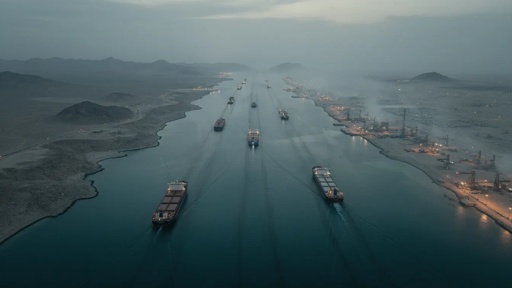
The Strait of Hormuz is not a local dispute. It is a narrow passage that carries a large share of the world’s oil and gas trade, so any threat there can hit fuel prices fast. That makes the issue bigger than foreign policy. It touches family budgets, trucking costs, and the price of getting goods to market. When Washington talks strength, voters expect real protection, not just slogans.
Trump’s posture also speaks to a basic conservative view of power. A hostile regime should not be able to choke off world energy routes and then demand rewards. At the same time, his own comments show the legal limits of the fight. He said the strait is international waters, which means no nation can simply claim it as private property. That matters because the law still shapes what force can and cannot do.
Iran’s Threats Keep the Crisis Alive
Iran has kept pressing its own claims over the waterway, and that has helped fuel the standoff. Reporting in the package shows Tehran issuing closure warnings, rejecting outside control, and challenging United States statements about freedom of navigation. The back-and-forth has left the region in a tense middle ground, where both sides talk like they are in charge while ships, insurers, and energy buyers wait for clearer answers.
4 hours ago – 38°53′N 77°2′W
Trump on Iran: We had an agreement, and they broke it. We will be the guardians of the Strait of Hormuz.https://t.co/dbxl1U6m2S pic.twitter.com/PPxMe0tIGI
— Creatorskid (@Tuberoot) July 13, 2026
That uncertainty is exactly why the rhetoric matters. When leaders promise full control but the waterway remains contested, markets notice. When Iran says the strait is closed and the United States says it is open, the gap between words and reality becomes part of the story. Reuters, the Associated Press, and other outlets in the research show this fight has moved in cycles of threats, pauses, and renewed pressure, not in a straight line to peace.
What Comes Next for the U.S. and the Region
The next step will depend on whether Trump follows his warning with a formal move or uses it as leverage in talks. The research shows him alternating between tougher action and short pauses when deal talks appear closer. That gives him room to press Iran while also claiming he is keeping trade moving. For supporters, the appeal is obvious: use strength first, then negotiate from a position of force.
Still, the Strait of Hormuz remains a test of whether American power can secure open sea lanes without sliding into open-ended conflict. Trump’s remarks suggest he wants the United States to be the guarantor of passage, while refusing to hand the waterway to Iran or any other state. For readers worried about energy costs, foreign threats, and weak globalism, the fight is a reminder that control of the seas still shapes the economy.
Sources:
mediaite.com, apnews.com, usatoday.com, youtube.com, michaelianblack.substack.com, democrats.senate.gov, bbc.com, npr.org, aljazeera.com, en.wikipedia.org