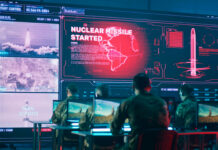
U.S. forces hammered more than 300 Iranian targets in days, tightening a lawful blockade to protect global shipping and American lives.
Story Highlights
- U.S. Central Command said strikes hit 300-plus targets to curb attacks on ships.
- Targets included missile and drone depots, air defenses, coastal radar, and fast boats.
- Blockade aims to keep the Strait of Hormuz open after Iranian assaults on commercial vessels.
- Reports show Iran’s capabilities are degraded but it can still stage asymmetric attacks.
What Triggered Renewed Strikes And The Blockade
U.S. Central Command reported multiple rounds of strikes after Iran hit commercial ships in the Strait of Hormuz. Commanders said three nights of operations targeted more than 300 sites to hold Iranian forces accountable and reduce threats to civilian mariners. U.S. officials confirmed raids hit areas near Qeshm Island and along Iran’s southern coast, where attacks on tankers and cargo ships originated. The White House said the goal is to stop assaults and keep vital energy routes open for global trade.
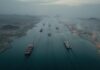
The blockade focuses on stopping Iranian forces from closing the narrow waterway. The United States moved ships, aircraft, and surveillance assets to track launch sites, fast boats, and minelayers. American strikes also intercepted drones aimed at the sea lane and destroyed vessels used to threaten shipping. Officials described the actions as defensive and tied to clear attacks on neutral ships. The policy signals that free navigation is a red line the United States will defend without delay.
What The U.S. Hit And Why It Matters
Military updates describe hits on missile and drone storage, coastal radar, air defense nodes, and fast attack boats used to swarm ships. By striking sensors and air defenses, the United States reduced Iran’s ability to spot and target ships. By hitting depots and launch sites, it cut the rate and reach of drone and missile attacks. This mix degrades both Iran’s trigger and its eyes, which helps merchant ships pass under American cover and lowers risk to crews operating in the strait.
Analysts and press reports say the campaign also damaged parts of Iran’s arms industry, shipyards, and naval bases, which limits quick rearmament. Earlier phases sank minelayers and targeted mine facilities to blunt efforts to shut the route with sea mines. This matters for families and businesses at home. The strait carries a large share of the world’s oil. Keeping it open helps steady fuel prices, protects supply chains, and avoids shocks that punish working Americans through higher gas and grocery costs.
Degraded, Not Erased: The Risk Picture
Independent reporting notes a key truth seen in past crises. U.S. strikes can degrade Iran’s forces, but Iran may still mount smaller, surprise attacks with drones, missiles, and boats. This pattern mirrors prior maritime standoffs, where “degrade” did not mean “eliminate”. Intelligence assessments have said Iran retains significant missile launch capacity and thousands of one-way attack drones, even after heavy blows. That means vigilance, clear red lines, and steady pressure remain essential to keep ships and sailors safe.
TRUMP: “The Strait of Hormuz is open and will remain open. We’ve significantly degraded Iran’s capabilities. Iran will not get a nuclear weapon. Without the B-2 strikes, they would’ve had one long ago,” the US President said. pic.twitter.com/sBeyptSG3I
— Subodh Kumar (@kumarsubodh_) July 14, 2026
For conservative readers, the core test is simple. Will America defend free navigation, punish aggression, and avoid long, costly wars? The current approach uses targeted force to restore deterrence and uphold the rule of law at sea. It matches constitutional duties to protect citizens and commerce while avoiding open-ended nation building. Success will be measured by quiet seas, safe crews, and stable energy flows. So far, the facts show real damage to Iran’s strike tools and a firmer shield over the Strait.
Sources:
youtube.com, theguardian.com, aljazeera.com, washingtonpost.com, reuters.com, wsj.com, cnbc.com, cbc.ca, csis.org, cnn.com